
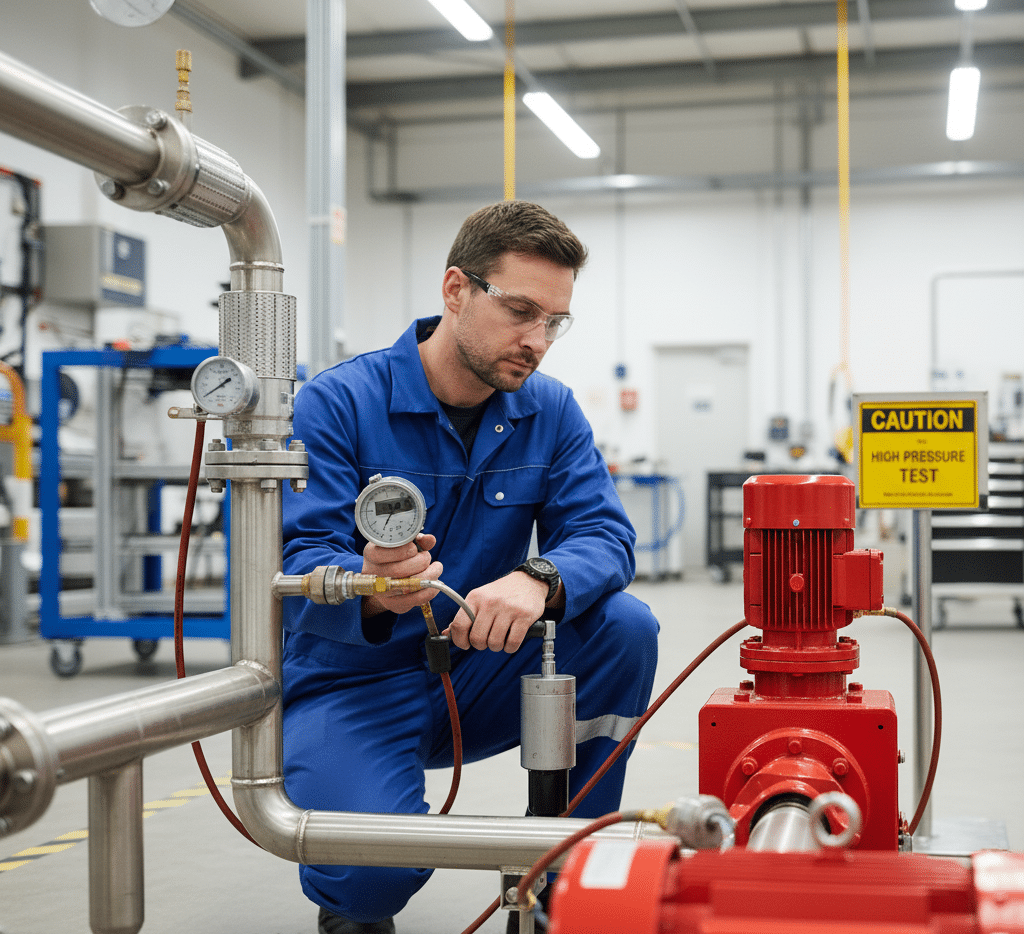
Picture this: you walk into your commercial facility on a Monday morning, only to be greeted by an unexpected drip echoing in the background. Your staff and operations depend on consistent water flow for everything from restrooms to specialized equipment, but the aging system keeps hiccupping.
If this feels familiar, it might be time to invest in a professional water system installation. By designing and installing a new water system tailored to your building’s unique requirements, you’ll save time, cut costs, and ensure a smoother, more reliable operation.
But what does this water system installation really involve? And how can you be sure it’s worth the investment? In the next sections, you’ll discover how a custom approach can benefit your commercial property, how to select the right components, and what steps to expect along the way. By the end, you’ll see how partnering with professional experts in water system installation can set your facility up for success.
Recognize the Benefits of a Professional Water System Installation
A comprehensive water system installation gives you more than just running taps. It integrates seamlessly with your existing infrastructure, provides clean and dependable water, and reduces hazards for your building’s occupants. In California, in particular, where various regulations aim to maintain water quality, installing a robust solution can help you stay ahead of the curve.
Here are a few fundamental perks you can look forward to from an expert water system installation:
- Consistent Water Pressure: Ensures faucets and equipment run without a hitch or interruption.
- Minimal Downtime: Achieved thanks to well-planned layouts and reliable materials.
- Professional Guidance: Expert advice on meeting state and local regulations.
- Set up for Future Growth: Configuration that allows for future upgrades or expansions.
You may already have a functional system in place, but if it’s decades old or frequently breaks down, consider how much easier life would be if you had a custom water system installation designed specifically for your building’s day-to-day demands.
Ready to take the next step? Evaluate your current system and see how a state-of-the-art water system installation can transform your efficiency.
Understand Key Components in a Water System Installation
When you think of water system installation, you might picture pipes snaking through walls. Although pipes are critical, they’re only one piece of the puzzle. A well-rounded water system installation covers multiple elements working together to ensure you get the water quality and volume you need. Components range from purification units to specialized pumps, each designed to fit your facility’s specific goals.
Essential Purification Mechanisms
Whether you manage a cafeteria, an industrial plant, or a hotel in California, water quality matters. Modern systems included in a water system installation may include reverse osmosis (a filtration technology to remove impurities), ultraviolet (UV) sterilization, or other filtration steps. The exact combination depends on your building’s water source and usage patterns. By introducing these purification mechanisms right from the start, you reduce contaminants and meet local health guidelines.
To learn more about technologies, read our article on Advanced Water Treatment Systems.
Pressure Regulation and Flow
Ever tried to operate equipment that requires a steady water flow, only to deal with sputtering taps? That’s where pressure regulators, pumps, and valves come in. A consistent PSI (pounds per square inch) prevents uneven flow across various floors or sections of your property. Everything from your restrooms to industrial machines runs most efficiently when the pressure is fine-tuned to meet your specific needs in the water system installation.
Assess Your Facility’s Needs Before Installation
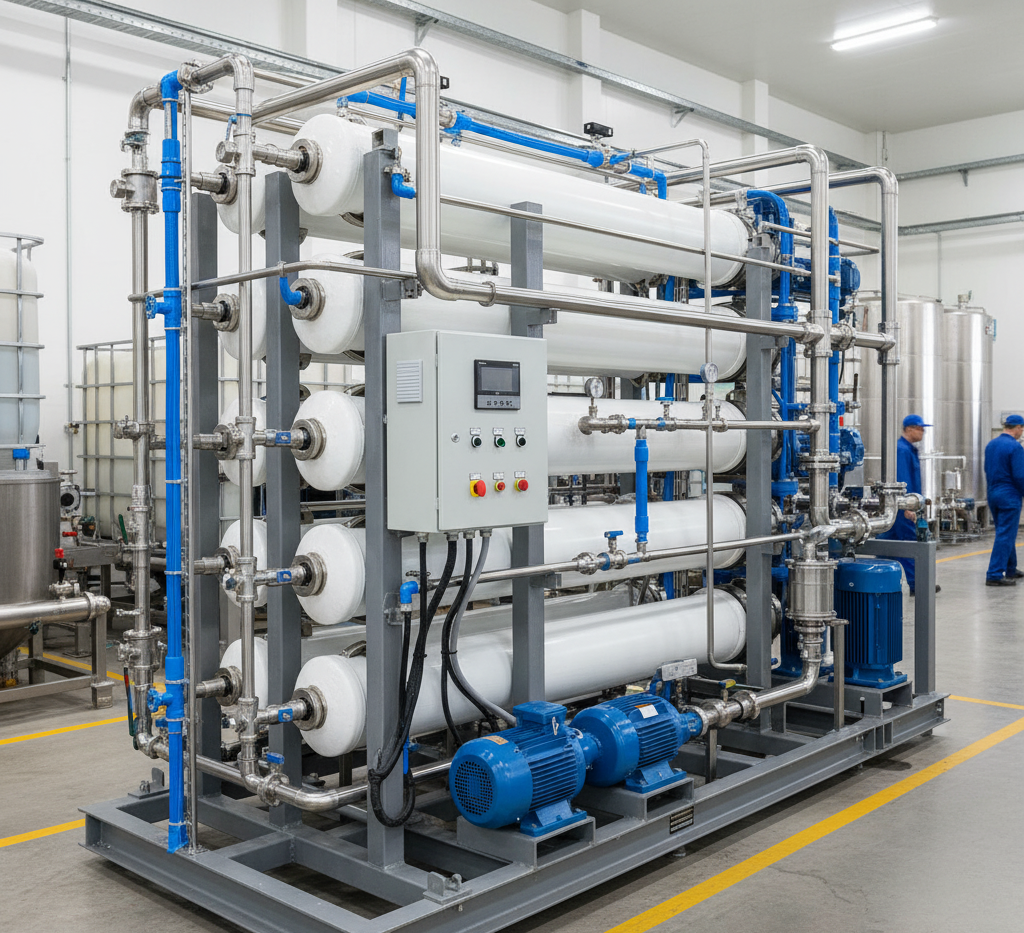
Before you jump into a brand-new water system installation, it’s wise to do a thorough evaluation. Think of it like planning a tailor-made suit. You can’t get good results without the right measurements. Water system installation professionals usually start by analyzing your facility size, the number of occupants, and specific water demands. If you run a commercial kitchen, you’ll likely need a more robust water system installation than a small office might.
Common Assessment Steps
- Calculate average daily usage.
- Identify high-demand areas (kitchens, manufacturing zones, restrooms).
- Determine existing water pressure and flow rate.
- Check for signs of rust, leakage, or outdated materials in current pipes.
- Account for any special requirements, like chemical-free purification.
By getting a solid grasp of your building’s day-to-day water consumption, you streamline the overall design process of the water system installation. You also reduce guesswork and prevent over- or under-engineering your setup.
Plan for California Compliance
In California, you can’t do a large-scale water system installation without paying attention to state and local codes, plus relevant environmental directives. Regulations often stipulate how water must be treated and distributed, especially in neighborhoods or regions dealing with water scarcity. Working with experts in water system installation who stay updated on the latest guidelines can spare you from potential legal headaches and hefty fines.
Check the California Water Boards’ requirements for regulatory compliance.
Local Rules to Consider
- Specific filtration standards for commercial establishments.
- Backflow prevention devices to avoid contamination.
- Environmental impact assessments.
- Energy efficiency ratings for pumps and heaters.
It’s easy to feel overwhelmed by regulatory requirements. The good news is, by hiring specialized water system installation professionals, most of that burden lifts off your shoulders. You’ll not only keep your operations compliant, but also avoid future retrofits or sudden code-related surprises.
Choose the Right Materials for Your Water System Installation
When you hear the phrase “you get what you pay for,” it applies directly to water system installation. Materials can range from cost-effective plastic piping to durable copper lines. Some building owners might worry that higher-quality parts will strain the budget, but in the long run, premium materials often pay for themselves in reduced leakage and maintenance.
Popular and Durable Options
- Copper Pipes: Long-lasting, resistant to corrosion, and well-suited for commercial settings.
- PEX (Cross-Linked Polyethylene): Flexible, typically cost-effective, and resistant to mineral buildup.
- PVC (Polyvinyl Chloride): Used mostly for drainage, though not always ideal for hot water lines.
Your choice usually depends on factors like operating temperatures, water flow requirements, and your property’s specific layout. If your building experiences frequent temperature shifts, you’ll want materials known for withstanding expansion and contraction without breaking, which is crucial in a successful water system installation.
Follow a Structured Water System Installation Process
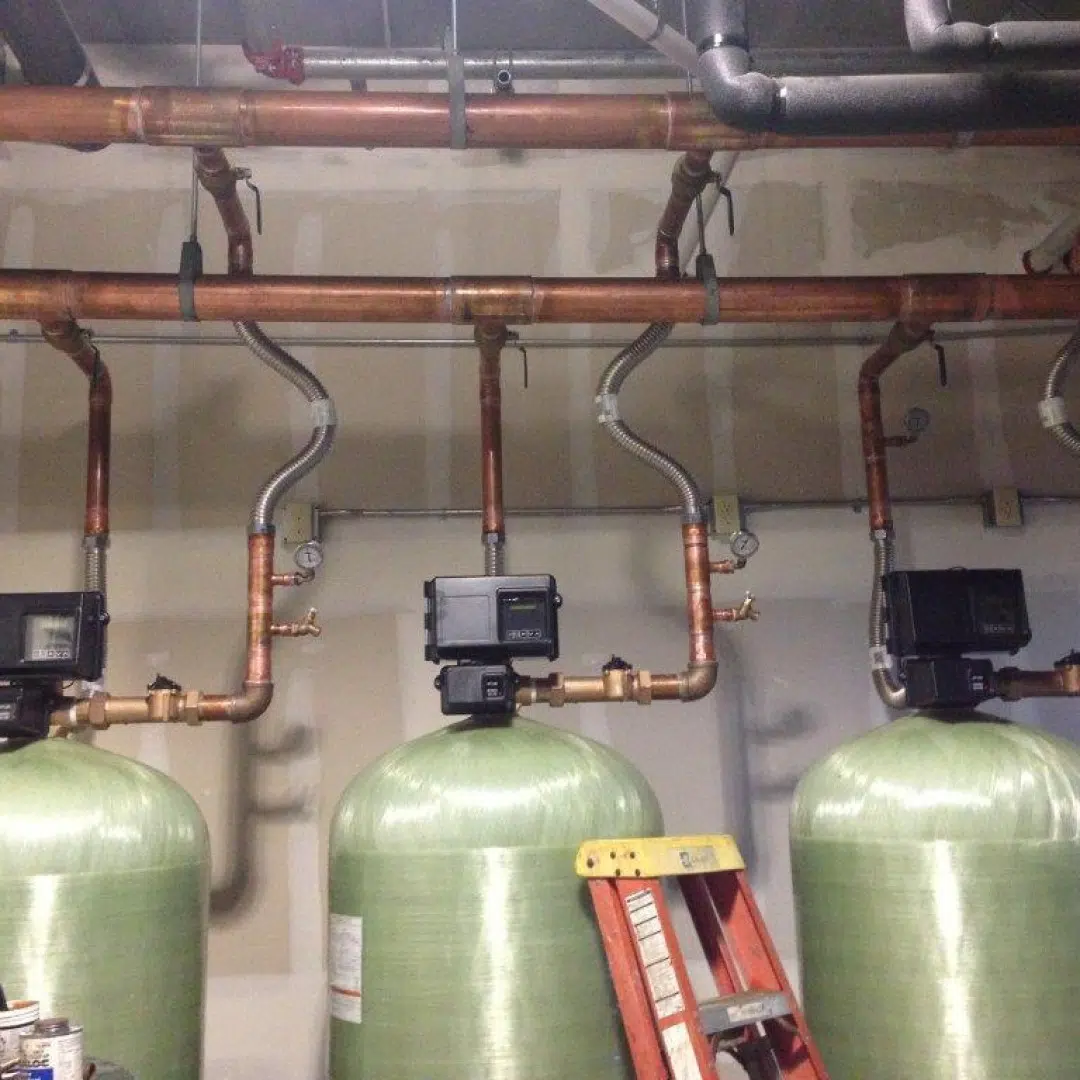
Once you decide to move forward, your chosen contractor typically follows a systematic process. Having a clear timeline helps you plan around construction or disruptions in water service. Although details vary by project, here’s a common breakdown:
- Initial consultation and facility walkthrough.
- Detailed design plan, including material choices.
- Water system installation of new plumbing, pumps, and any filtration systems.
- Testing each stage to confirm flow rate, pressure, and quality.
- Final inspection to ensure compliance with California codes.
Most professionals also assist with the permitting process, which can be a lifesaver if you’re juggling multiple tasks. The last thing you need is a hold-up because of incomplete paperwork.
Minimize Downtime During Installation
If you’re like most facility managers, you worry about how long a water system installation will take and whether it will disrupt day-to-day operations. A good contractor recognizes that time is money for commercial properties. They’ll plan construction phases carefully, schedule around low-traffic times if possible, and communicate updates so you know exactly when water access might be limited.
Maintain and Upgrade as Needed
Installing a new system is just half the story. Once everything is up and running, regular maintenance will ensure you don’t lose performance. Most water system installation providers offer inspection or service contracts, aiming to spot issues before they grow into more significant problems.
Explore our Commercial Water Treatment Services to protect your investment.
Suggested Maintenance Checklist
- Monthly visual inspections of pipes for leaks or corrosion.
- Quarterly testing of water pressure and flow rate.
- Annual in-depth filtration checks and possible cartridge replacements.
- Periodic pump performance assessments.
If you plan expansions or add new technology to your facility, revisit your water system installation to figure out if the existing system can handle the extra load. Staying proactive keeps your building humming along without missing a beat.
Use Technology to Monitor Performance
Modern commercial water systems increasingly rely on smart technology to track usage, quality, and pressure in real time. Imagine receiving an alert on your phone if there’s an abnormal spike in flow that signals a hidden leak. This level of monitoring helps you solve small problems before they grow into big ones.
The EPA offers information on quality standards you can monitor.
Possible Tech Add-ons
- Automated shut-off valves that activate when leaks are detected.
- Cloud-based dashboards for usage reporting.
- Alarm systems that notify you of pressure drops or contamination events.
These enhancements might not be mandatory, but they can give you an extra layer of security and cost savings. If you’re already investing in a water system installation, it’s worth exploring how technology can amplify the benefits.
Consider the Long-Term Value of the Installation
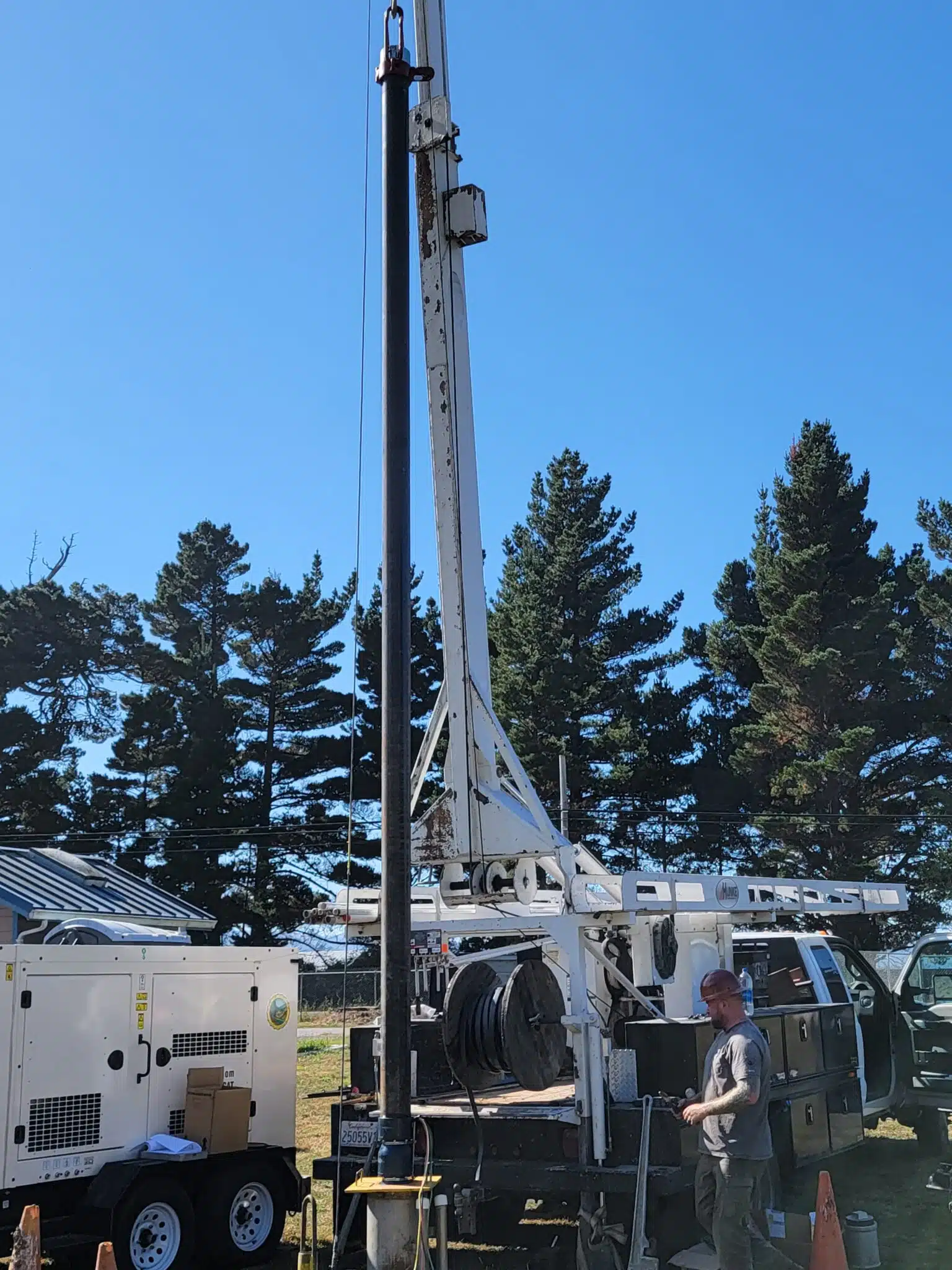
Some property owners hesitate at the upfront expense of water system installation, especially if the old system still appears functional. However, waiting until a major breakdown can lead to rushed decisions and even costlier emergency fixes. By proactively upgrading or replacing outdated setups, you typically spend less over time than you would patching recurring problems.
Beyond finances, a reliable water system adds intangible value. If you run a hospitality business, clean water is essential for guest comfort. If you’re in manufacturing, steady water output keeps production lines rolling. Your facility gains credibility, ensuring staff and stakeholders trust that daily operations will run smoothly thanks to the new water system installation.
Conclusion: Take the Next Step with Confidence
As you explore the idea of a professional water system installation, remember that you don’t have to handle everything alone. An experienced water system team guides you through initial planning, custom design, installation, and ongoing maintenance. Whether you’re upgrading a decades-old setup or breaking ground on a new facility, you’ll gain peace of mind as you enjoy consistent water flow, reduced utility bills, and compliance with California’s rigorous water regulations.
Don’t wait for the next leak or code violation notice! Act now, and let a well-designed, well-maintained system power your property forward. Contact us today for a free water system installation consultation.
Frequently Asked Questions (FAQs) About Water System Installation
How long does a typical commercial water system installation take?
The time varies significantly. A water system installation can take anywhere from a few weeks for a simple upgrade to several months for a large-scale, highly complex system. The actual duration depends on the facility size, the scope of work (full replacement vs. component addition), and the complexity of the design. An experienced contractor will provide a detailed timeline after the initial assessment.
What differentiates a commercial water system installation from a residential one?
Commercial water system installation is far more complex. It handles significantly larger volumes, requires higher pressures, complies with stricter health and environmental regulations (especially in California), and often incorporates advanced treatment technologies (like industrial-grade reverse osmosis) that are rare in residential settings. Durability and consistent performance capacity are paramount in a commercial water system installation.
What is the average cost of a water system installation?
The cost is highly variable as it depends on factors like the chosen filtration technology, the piping type (copper, PEX), the size of the building, and compliance requirements. The true value of a professional water system installation lies not just in the upfront cost, but in the long-term savings from reduced utility bills, lower maintenance, and the avoidance of costly compliance fines.