
Many water well owners are unaware that a failing well can often be rehabilitated instead of requiring an expensive new well to be drilled. Declining well performance, low water yield, reduced water pressure, air in the water lines, or inconsistent water flow are commonly caused by mineral buildup, iron bacteria, sediment, scale, biological fouling, or plugged well perforations that restrict groundwater from entering the well. Open-bottom wells can also become impacted by sediment accumulation and formation plugging that limits water production and overall, well efficiency.
Even newer water wells can experience sudden production loss when downhole fouling develops rapidly and begins restricting water flow. Mud-drilled wells may also suffer reduced performance when drilling mud or a “filter cake” — a thin layer of bentonite slurry designed to stabilize and temporarily seal the formation during drilling — has not been properly broken down, thinned, and fully removed during the final well development and completion process. When this drilling-induced clay layer remains in place, groundwater flow into the well can become heavily restricted, reducing well yield and long-term performance.
In many cases, professional well rehabilitation services can restore water production, improve well efficiency, and extend the service life of the well without the high cost of drilling a replacement well.
Many well owners are unaware that a well can be rehabilitated rather than having to re-drill. When well performance changes, it can be a result of organic or biological conditions slowly clogging off the perforations prohibiting water from entering the well. Newer wells can also suffer drastic yield changes in a short period of time due to the same down hole conditions developing at an accelerated rate. Various methods including NSF rated chemicals with special brushing and swabbing methods can break up the cloggage inside and outside the perforations allowing water to flow into the well once again unrestricted.
At Watson Well, we provide professional well rehabilitation and water well cleaning services using proven methods including NSF-rated rehabilitation chemicals, mechanical brushing, swabbing, air jetting, surge development, and other advanced downhole cleaning techniques. These processes are designed to remove buildup from both inside and outside the well perforations, reopen water-bearing zones, restore groundwater flow, and improve overall well performance, reliability, and long-term water production.
Turn to Watson Well for the experience and equipment to properly rehabilitate wells that over time have suffered significant production or water quality changes. In addition, we offer a variety of other water-related services as well as our own excavation equipment for the installation of underground infrastructure. Give Watson Well a call if you need a service to your existing well or water system, or if you would like to improve your water quality.
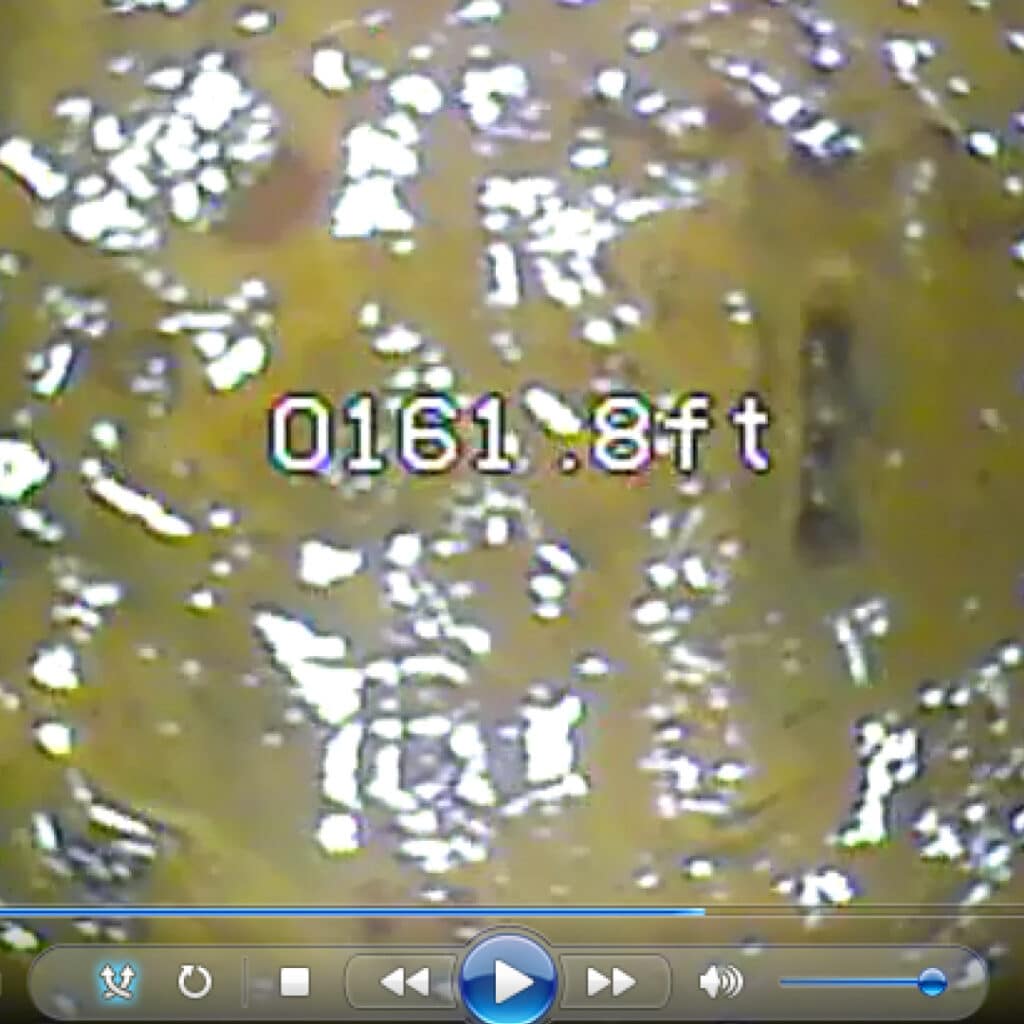
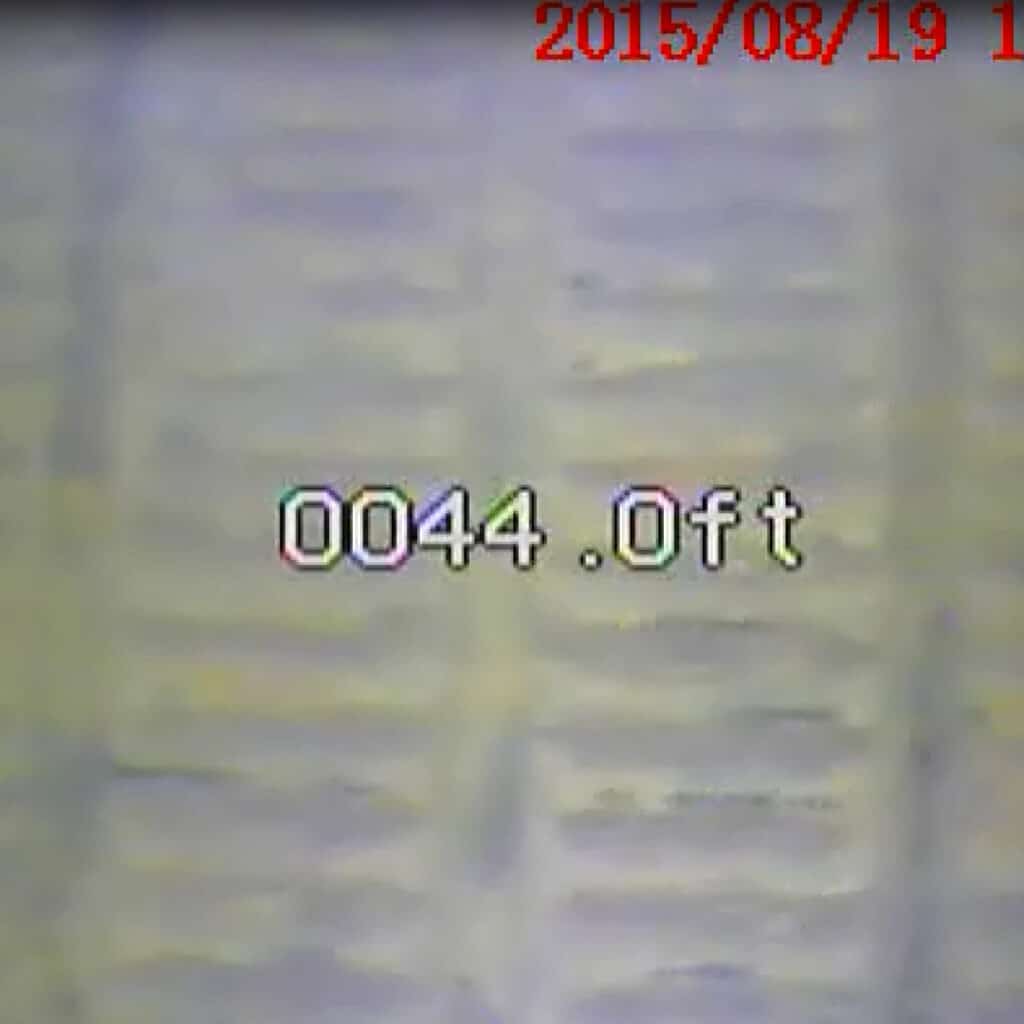
A well that’s losing production isn’t always a well that needs to be replaced. Many water wells that seem to be running dry are actually clogged: mineral scale, iron bacteria, sediment, or leftover drilling mud is blocking water from getting into the well, even though there’s still water in the ground around it. Rehabilitating that well can bring it back to life for a fraction of the cost of drilling a new one.
Watson Well is a licensed C-57 water well contractor serving Redding, Eureka, Chico, Mt. Shasta, and the surrounding Northern California communities. Before you commit to a new well, let us look at the one you have. We’ll tell you honestly whether it can be rehabilitated, repaired, or needs to be replaced.

Well rehabilitation is the process of restoring a well’s production and efficiency by cleaning out whatever is restricting the flow of water into it. Over time, the perforations, screen, and gravel pack around a well (and the formation just outside it) can become plugged with scale, biological growth, and fine sediment. Water still exists in the aquifer, but it can’t reach the pump the way it used to.
Rehabilitation uses a combination of mechanical cleaning, approved treatment chemicals, and redevelopment methods to break up those deposits, clear the openings, and restore the connection between the well and the water-bearing zones.
Well repair is the broader category. It covers fixing the well’s physical structure, such as damaged or corroded casing, which in many cases is done with a well liner. Some wells need one, some need the other, and some need both.

The most common reasons property owners call us about an existing well include:
Some of these symptoms come from the pump or water system rather than the well itself. Our job is to find the actual cause before recommending a fix, so you’re not paying to solve the wrong problem.

Every well is different, but most production problems come back to a handful of causes.
Iron bacteria and biofouling. Naturally occurring bacteria feed on iron and manganese in groundwater and produce a thick, slimy biofilm. Over time, that growth plugs perforations, screens, and the gravel pack, and can choke a well’s output dramatically. It also contributes to staining, odor, and taste problems.
Mineral scale. Calcium, iron, manganese, and other dissolved minerals can precipitate out of the water and harden on the casing, screen, and pump intake. As the scale builds, the openings that let water into the well get smaller and smaller.
Sediment and sand. Fine sand and silt can migrate into the well and settle at the bottom, burying the lower water-bearing zones or the pump intake. Open-bottom wells, where steel casing is advanced as the hole is drilled and water enters only through the bottom, are especially prone to sediment buildup and plugging at the base of the well.
Incomplete development after drilling. Wells drilled with the mud rotary method rely on a bentonite drilling fluid that coats the borehole wall and holds it open during drilling. If that mud layer (often called the filter cake) isn’t fully broken down and removed when the well is developed, it can keep restricting water flow for the life of the well. This is a common reason a newer well underperforms from day one.
Casing damage. Corroded, cracked, or separated casing can let in sand and shallow water and, in some cases, partially collapse. That’s a structural repair, and it often calls for a well liner rather than cleaning alone.

If you’ve been told your well is done, or you’re already planning to drill a new one, it’s worth getting a second look. Drilling a replacement well is a major investment, and in many cases the existing well can be brought back for much less.
That’s where we come in. Watson Well’s owner, Don Watson, holds a C-57 water well drilling license and spent years drilling wells across Northern California using several different drilling methods. That background means we understand how your well was built, what the local formations tend to do, and what’s realistic to expect from it.
After we assess your well, you’ll get a straight answer:
Either way, you’re making the decision with real information instead of a guess.
On one well we rehabilitated, production had dropped to less than a quarter gallon per minute, barely enough to call it a water source. After rehabilitation, the same well produced 18 gallons per minute. No new well, no new borehole, just a well that had been cleaned out and redeveloped properly.
There’s no one-size-fits-all treatment. We match the method to what’s actually plugging the well, and many jobs use a combination of these.
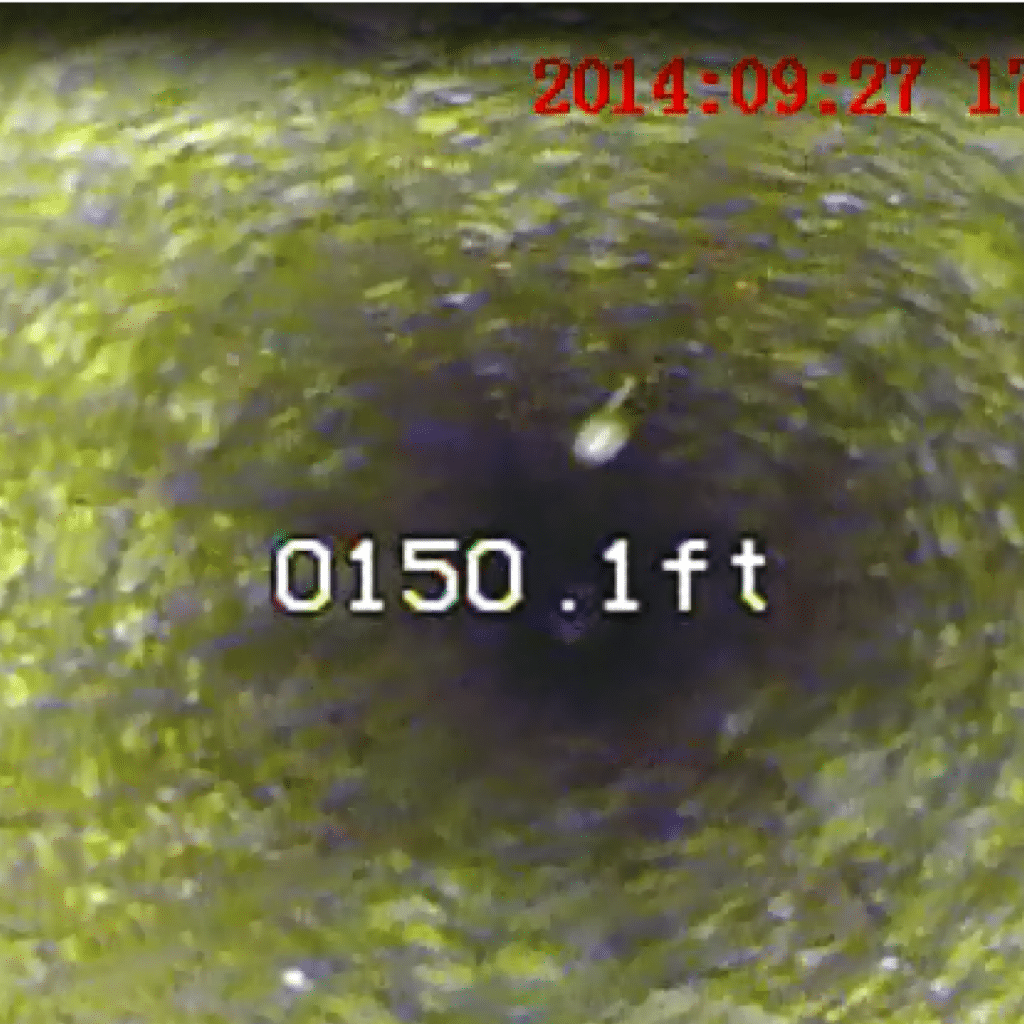
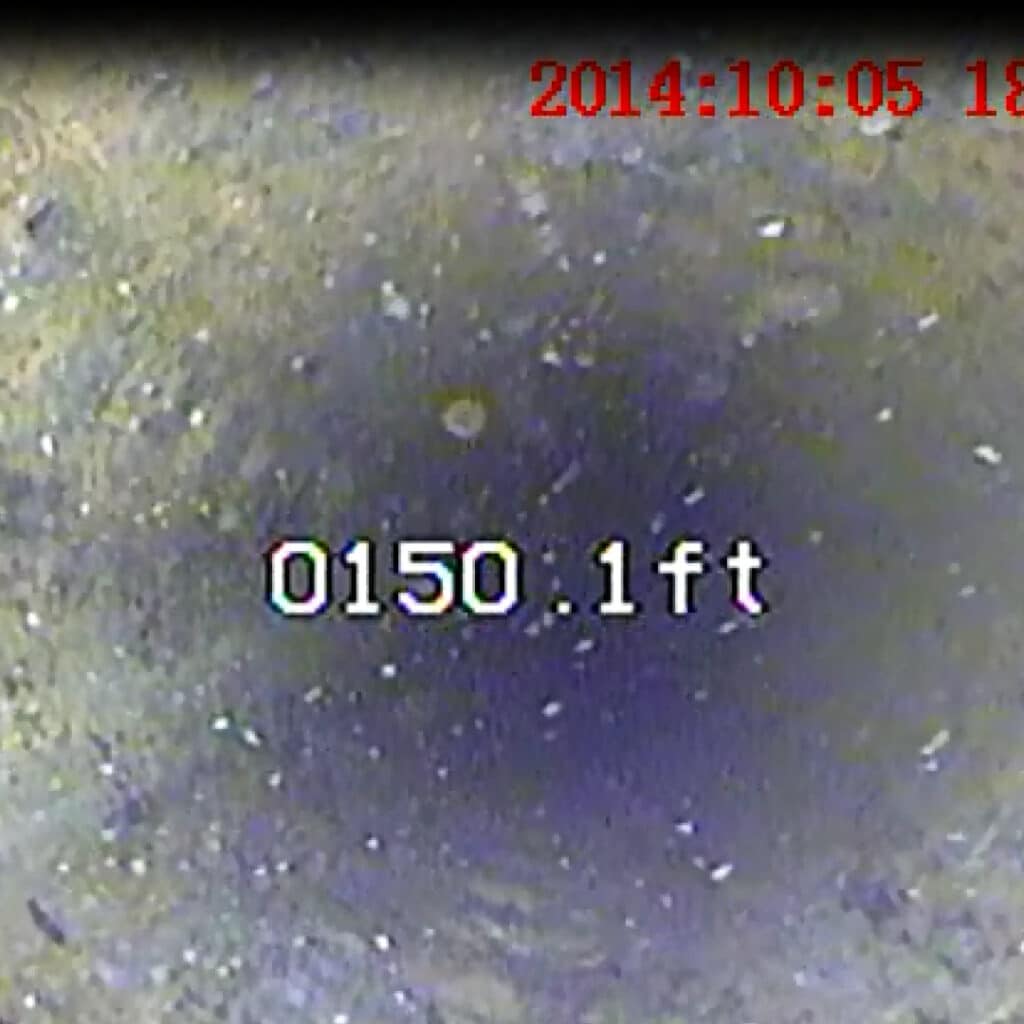
Video well inspection. A downhole camera shows us the condition of the casing, perforations, and screen, where buildup is concentrated, and whether there’s structural damage. It’s the starting point for nearly every rehab job. Learn more about video well inspection.
Chemical treatment. We use NSF-certified well rehabilitation chemicals selected for the problem at hand, such as treatments that dissolve mineral scale or break down iron bacteria and biofilm. Chemicals are given time to work, then thoroughly purged from the well before it goes back into service.
Mechanical brushing. Wire brushing the inside of the casing and screen knocks loose scale, biofilm, and debris so it can be removed from the well.
Swabbing and surging. A surge block or swab is moved up and down inside the well, forcing water back and forth through the perforations and screen. This loosens deposits and fine sediment both inside the openings and in the gravel pack and formation just outside them.
Air lifting and air jetting. Compressed air is used to lift sediment, loosened material, and spent chemicals out of the well and to jet buildup off the casing and screen.
Sediment removal and redevelopment. We clean out accumulated sand and sediment from the bottom of the well and redevelop the water-bearing zones, which is especially important for open-bottom wells and mud-drilled wells that were never fully developed.
We review your symptoms, well records, and water system history to rule out pump, pressure tank, or plumbing issues.
We measure how the well is performing now so there's a clear "before" number to compare against.
We pull the pump and run a camera down the well to see exactly what's restricting it and check the casing for damage.
We explain what we found and lay out the rehabilitation plan, a repair option, or, if needed, a replacement plan. You decide how to proceed.
We carry out the rehabilitation using the combination of chemical and mechanical methods your well needs.
The well is surged and pumped until loosened material and treatment chemicals are fully removed and the water runs clean.
We disinfect the well, reinstall the pump (or a properly sized replacement), and return the system to service.
We test production again so you can see the improvement in actual numbers, and we'll recommend a maintenance schedule to help keep the well performing.
Rehabilitating a well means working inside it, and California restricts that work to specialty-licensed professionals.
C-57 licensing matters. Under the California Contractors State License Board, work inside a water well falls under the C-57 Water Well Drilling classification. A pump company or general contractor without a C-57 license isn’t authorized to perform downhole rehabilitation, and unlicensed work can damage the well, contaminate your water supply, or leave you with a well that’s in worse shape than when it started. Learn more about licensing.
Aggressive methods need experience. Surging, jetting, and chemical treatments are effective because they’re forceful. Applied incorrectly, especially to an older or weakened casing, they can collapse the casing, damage the screen, or pull formation material into the well. Knowing when a well can take that kind of treatment, and when it can’t, comes from experience with well construction.
Protecting your water supply. Treatment chemicals have to be approved for use in drinking water wells, applied at the right strength, and completely removed before the well goes back into service. California Well Standards (DWR Bulletins 74-81 and 74-90) exist to keep wells from becoming a pathway for contamination, and rehab work should leave your well better protected, not less.
Watson Well holds an active C-57 license (CSLB #947596) and is a member of the California Groundwater Association and the National Groundwater Association.
Watson Well provides well rehabilitation and repair throughout our Northern California service area, including Redding, Eureka, Chico, Mt. Shasta, and the surrounding communities in Shasta, Humboldt, Butte, and Siskiyou counties. We’ve worked in the formations on the North Coast and in the northern Sacramento Valley, and we bring that local knowledge to every well we assess. If you’re not sure whether your property falls in our service area, give us a call. We’re happy to check.
Often, yes. Many wells that seem dry still have water in the surrounding aquifer, but scale, bacteria, or sediment is blocking it from entering the well. A video inspection and production test will show whether the problem is a clogged well or an actual drop in the water table.
Rehabilitation is typically far less expensive than drilling a replacement well. Cost depends on the well’s depth, construction, what’s causing the problem, and which methods are needed. We’ll give you a clear estimate once we’ve assessed the well.
It depends on the well and what’s restricting it. Some wells return close to their original production, and some improve dramatically. One well we rehabilitated went from less than 0.25 gpm to 18 gpm. Other wells see a more modest gain. We’ll give you a realistic expectation after the inspection.
We use NSF-certified chemicals approved for drinking water wells, and the well is thoroughly purged and disinfected before it’s put back into service.
Many rehabilitation jobs are completed in a few days, though heavily fouled wells may take longer or need more than one round of treatment. We’ll give you a timeline for your specific well.
That depends on your water chemistry and how heavily the well is used. Wells with iron bacteria or hard water may benefit from periodic maintenance treatments. Tracking production over time is the best way to catch decline early, when rehabilitation is easiest and most effective.
Rapid biofouling, sediment, or incomplete development after drilling are common causes. In mud-drilled wells, drilling mud left behind in the borehole can restrict flow from the start. These wells are often very good candidates for rehabilitation.
We’ll tell you. We can help plan a new well, coordinate with a drilling partner suited to your ground conditions, and properly destroy the old well so it’s permitted, documented, and off your plate.
If your well’s production is dropping or someone has told you it’s done, get an honest assessment first. Contact Watson Well for an inspection, and we’ll show you what’s happening down the hole and walk you through your options.
Complete the form below to request an appointment from our team. We will contact you shortly.